
Paramount Investigative Services Publishes Guide to Documenting Surveillance for Court Use
New resource explains how investigators document identification, activity, video, timestamps and reports when

Press Release Disclaimer: This is a press release distributed through the XPR Media network. It has not been independently verified by our newsroom.
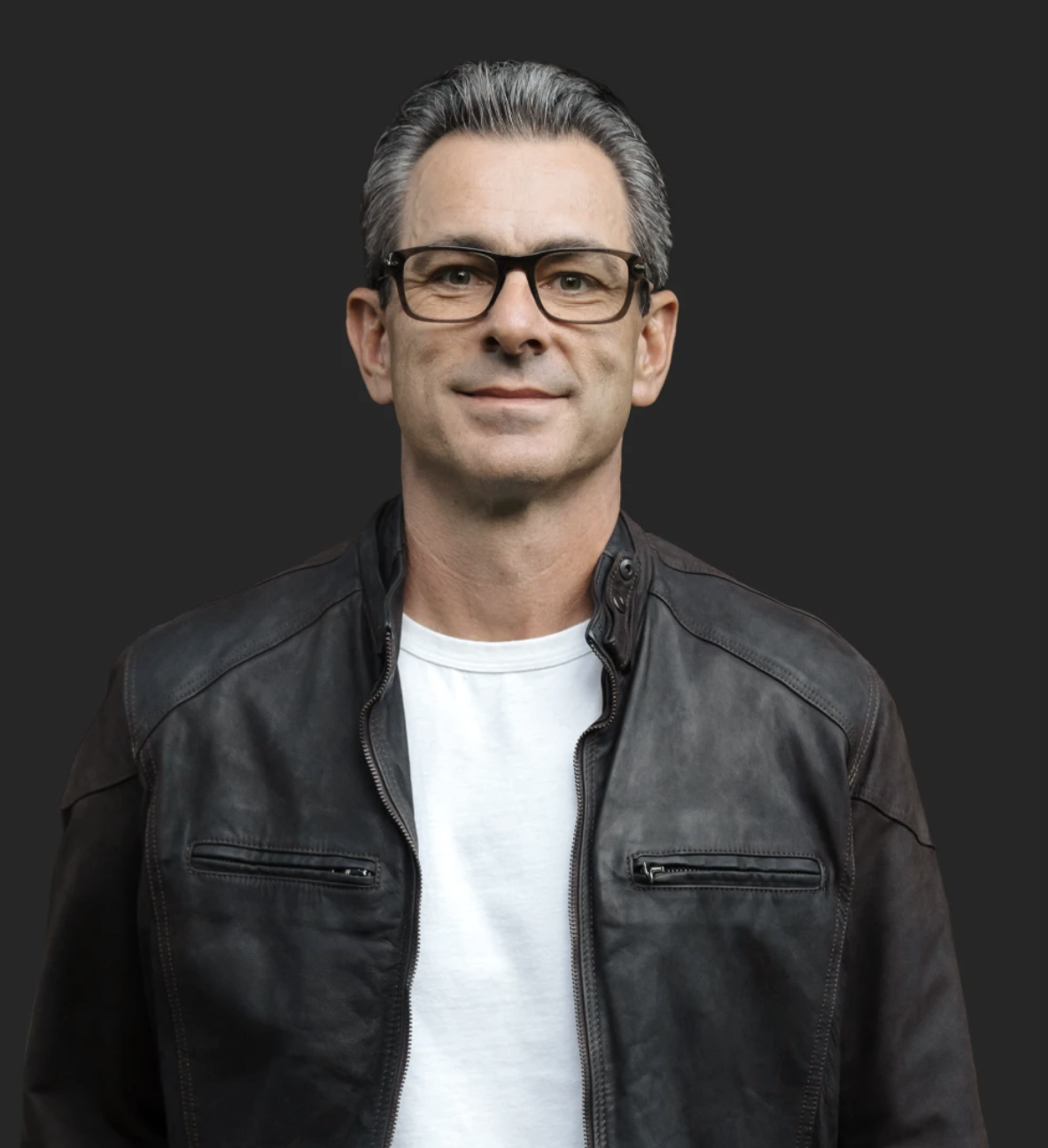

New resource explains how investigators document identification, activity, video, timestamps and reports when surveillance may become evidence.
LOS ANGELES, CA, UNITED STATES, September 18, 2026 /EINPresswire.com/ — Paramount Investigative Services, Inc., a licensed Los Angeles private investigation agency, has published a new educational resource explaining how private investigators document surveillance when evidence may later be reviewed by attorneys or presented in court.
The new resource, “How Do Private Investigators Document Surveillance for Court Use?”, addresses the procedures investigators can use to establish where surveillance occurred, identify the person being observed, document activity chronologically, preserve video and prepare investigative reports.
The publication draws upon more than 28 years of field experience by Paramount founder and licensed private investigator Ken Childs, including investigations in which surveillance evidence was later addressed during testimony.
One issue addressed in the new resource is the importance of documenting context rather than recording only isolated moments that initially appear significant.
Paramount’s surveillance procedures include video establishing the surveillance location, street signs, vehicles and license plates, subject identification and all observable activity. The agency also preserves a fuller video record so activity can be reviewed later if the relevance of an observation changes as a case develops.
The resource also explains Paramount’s approach when substantial surveillance footage is obtained. A comprehensive video record can be maintained while a shorter collection of relevant footage is prepared for more efficient review by attorneys or other parties involved in a legal proceeding.
This distinction can become important when questions later arise about what occurred before or after a particular video segment or whether other activity was documented during the investigation.
Written documentation is another subject addressed in the publication. Depending on the assignment, surveillance video may be accompanied by chronological investigative reports describing what investigators personally observed. In certain matters headed toward court, photographs and factual declarations may also be prepared in coordination with counsel.
The resource emphasizes a distinction between documenting observable facts and drawing conclusions from them. An investigator can describe an activity personally observed and documented on video without offering an opinion outside the investigator’s expertise about what that activity ultimately proves.
Childs also discusses the role of investigator testimony when surveillance evidence is challenged.
Questions during testimony can concern identification, timing, the handling of video, activity occurring outside a particular clip and whether other footage exists. According to Childs, maintaining a comprehensive investigative record allows those questions to be addressed through the underlying documentation rather than relying solely on an investigator’s recollection.
“The best surveillance tells a complete enough story that the investigator doesn’t have to create one later,” Childs said.
The publication includes an example from a prior investigation involving representations of significant physical limitations. Surveillance documented the individual performing roofing-related activity, climbing down from a roof and later handling building materials.
Childs was subsequently called to testify regarding the surveillance. During questioning, opposing counsel challenged aspects of the video and whether additional activity had been omitted. Because a fuller surveillance record had been maintained, the underlying footage remained available for review while Childs testified about his personal observations and the manner in which the surveillance had been conducted.
The example is used in the resource to illustrate why investigators may document activity beyond the individual moments that initially appear relevant to an assignment.
The newly published guide also discusses situations involving child custody and other litigation in which surveillance documentation may eventually be incorporated into declarations, reports or attorney case preparation.
Paramount published the resource as an informational reference for attorneys, insurance professionals, businesses and members of the public seeking to understand how private investigators document surveillance for court use and the difference between obtaining surveillance footage and maintaining a broader investigative record.
The complete guide is available through the Paramount Investigative Services website.
About Paramount Investigative Services, Inc.
Paramount Investigative Services, Inc. is a licensed private investigation agency headquartered in Downtown Los Angeles. The agency conducts surveillance investigations and provides investigative and litigation support services for attorneys, insurance professionals, businesses and private clients throughout Los Angeles and Southern California.
Paramount was founded by licensed private investigator Ken Childs, who has more than 28 years of investigative experience and has testified regarding investigative observations and evidence in California legal proceedings.
Ken Childs
Paramount Investigative Services Inc.
+1 213-733-3333
info@licensed-investigator.com
Visit us on social media:
LinkedIn
Instagram
Facebook
YouTube
TikTok
X
Other
How to hire a private investigator | Ken Childs
Legal Disclaimer:
EIN Presswire provides this news content “as is” without warranty of any kind. We do not accept any responsibility or liability
for the accuracy, content, images, videos, licenses, completeness, legality, or reliability of the information contained in this
article. If you have any complaints or copyright issues related to this article, kindly contact the author above.

Media gallery


