Moroccan Voters Head to Polls Amidst Public Frustration and Calls for Change
Moroccan voters are choosing a new parliament in an election shaped by public frustration, particularly among young people, high unemployment, and demands for better public services. This vote follows recent youth-led protests and a significant migration attempt towards the Spanish…

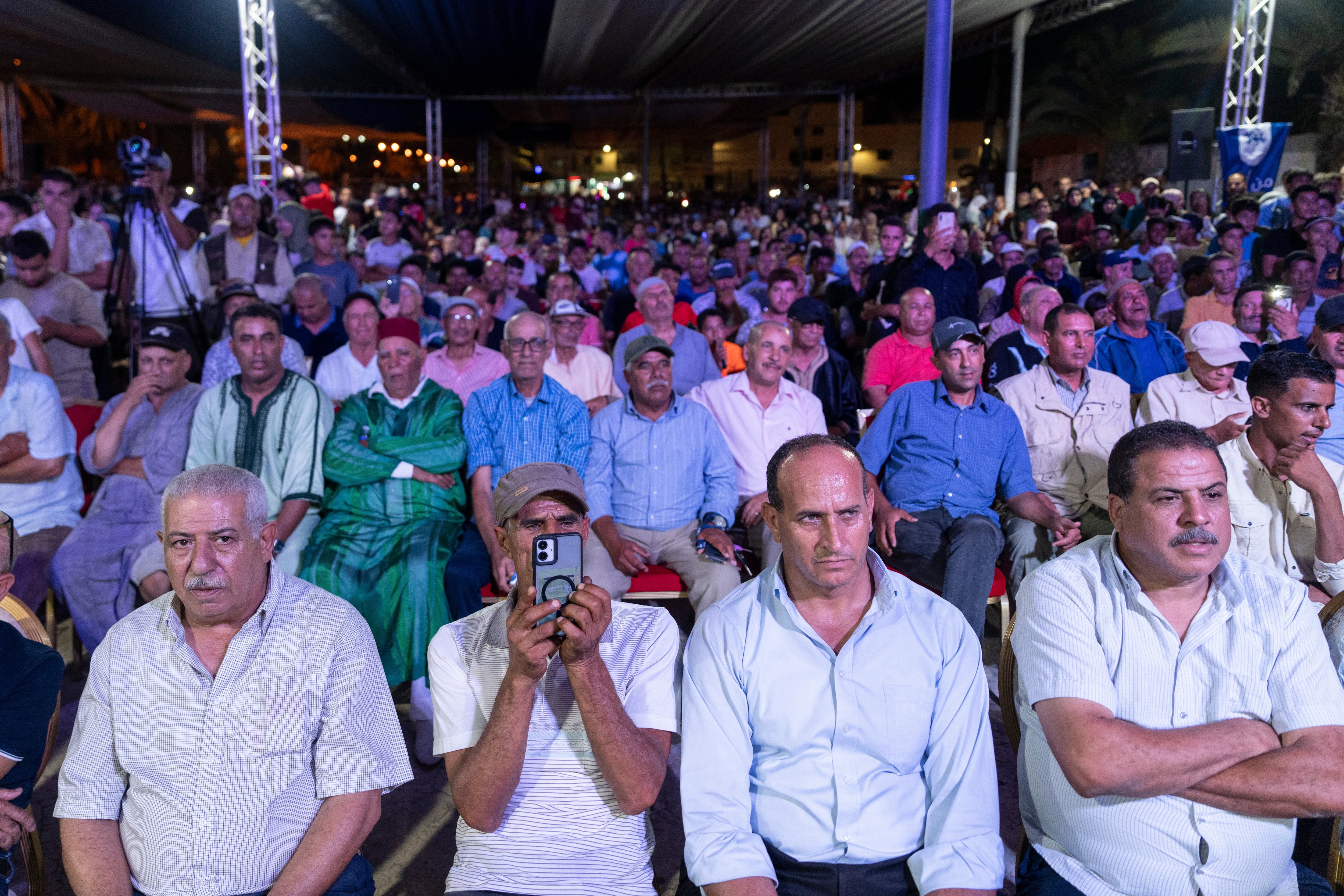
 Philadelphia, PA, September 23, 2026 — Morocco is holding a parliamentary election as citizens prepare to cast their ballots amid widespread public frustration. Key issues driving the electoral landscape include high unemployment rates and persistent demands for improved public services, particularly resonating with the nation’s youth.
This electoral contest unfolds against a backdrop of recent youth-led protests that have highlighted societal discontent. These demonstrations underscore a desire for change and better opportunities within the country.
The election’s context is further shaped by significant events, including a recent migration attempt involving a large number of individuals heading towards the Spanish territory of Ceuta. The underlying causes and implications of such movements are often tied to economic conditions and a search for prospects, issues that are central to the current political discourse.
The voter turnout and the ultimate composition of the new parliament are expected to reflect the prevailing sentiments of the electorate, particularly concerning their aspirations for economic stability and enhanced public service provision. The outcome will be closely watched for its potential impact on domestic policy and the country’s direction. The contractor’s name was not provided in the available information. The fine amount was not provided. The inspection outcomes were not provided. Details regarding permit status were not provided. Specific timelines for ‘what happened next’ were not provided.
The election process is a critical juncture for Morocco, with voters evaluating the performance of current political structures and seeking representatives who can address the pressing challenges facing the nation. The emphasis on issues like employment and public services indicates a public agenda focused on tangible improvements in daily life and future prospects for the populace, especially the younger generation.
The current political climate suggests that parties and candidates promising substantive reforms and effective solutions to unemployment and service delivery gaps are likely to capture voter attention. The voter sentiment appears to be one of seeking accountability and responsive governance in navigating these complex socio-economic challenges.
Further details regarding specific candidates, party platforms beyond the general issues, and polling station operations were not provided. The election represents a significant moment for Moroccan democracy and its citizens’ engagement with the political process to shape their future.
Story summarized from the original created by AKRAM OUBACHIR on www.inquirer.com, see more information here.
Media gallery