Inmates Face Escalating Heat Dangers in U.S. Prisons Amid Climate Change
Inmates across U.S. prisons are facing increasing threats from extreme heat, exacerbated by climate change. Many correctional facilities, often older buildings with inadequate or nonexistent cooling systems, struggle to cope with rising temperatures, leading to severe health risks including heat…

 Philadelphia, PA, September 30, 2026 —
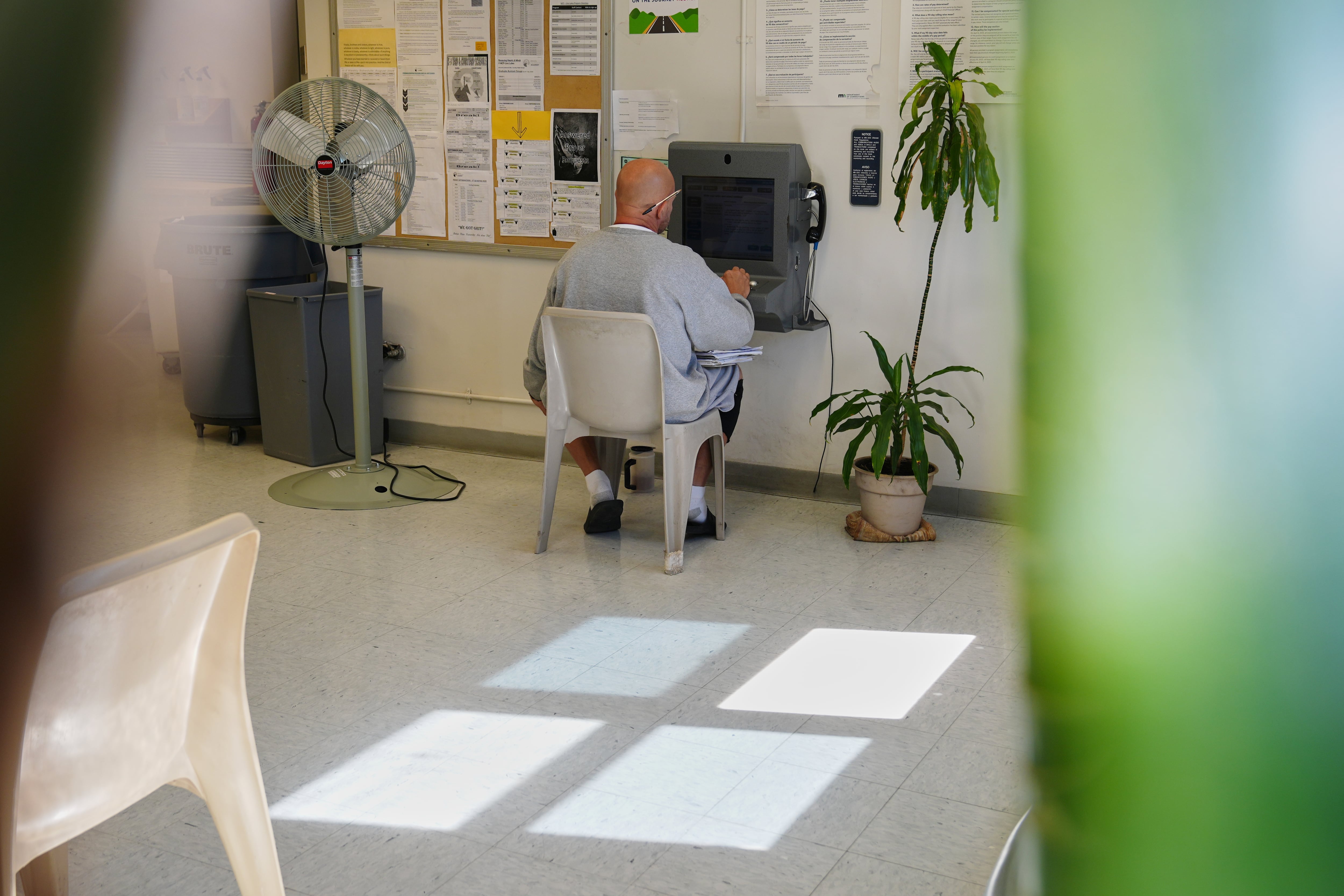
Inmates incarcerated in correctional facilities across the United States are increasingly vulnerable to severe health risks posed by extreme heat, a problem amplified by the ongoing effects of climate change. Many of these facilities, frequently constructed decades ago, are ill-equipped to handle the escalating temperatures.
A significant contributing factor is the prevalence of outdated or entirely absent cooling infrastructure within these buildings. As global temperatures rise, the lack of adequate climate control systems inside prisons creates dangerous living conditions for those confined. The summary indicates that these high temperatures can lead to severe health consequences for inmates, including heat stroke and, in tragic cases, death.
Several other elements exacerbate the threat. Overcrowding within prison walls intensifies the heat generated by individuals and limits the effectiveness of any available cooling measures. Furthermore, the construction materials used in many older correctional facilities are designed to trap heat, further contributing to internal temperature increases. Access to relief, such as ice or fans, is often limited, leaving inmates with few options to cope with dangerous heat levels.
These hazardous conditions have not gone unnoticed. The escalating crisis has spurred legal challenges against correctional departments and prompted widespread calls for necessary facility upgrades to ensure safer environments for the incarcerated population. The specific details regarding the legal challenges, the names of facilities involved, or the exact nature of the requested upgrades were not provided in the summary. The contractor names, permit status, inspection outcomes, code violations, and fine amounts were also not specified.
Story summarized from the original created by DORANY PINEDA on www.inquirer.com, see more information here.
Media gallery