Oct. 7 Hamas Attack Becomes Central Issue in Israel’s Upcoming Elections
Ahead of Israel's upcoming elections, the Oct. 7 Hamas attack is dominating the political landscape, fueling deep divisions over Prime Minister Benjamin Netanyahu's leadership. Both Netanyahu and his opponents are making the attack central to their campaigns, with challengers blaming…

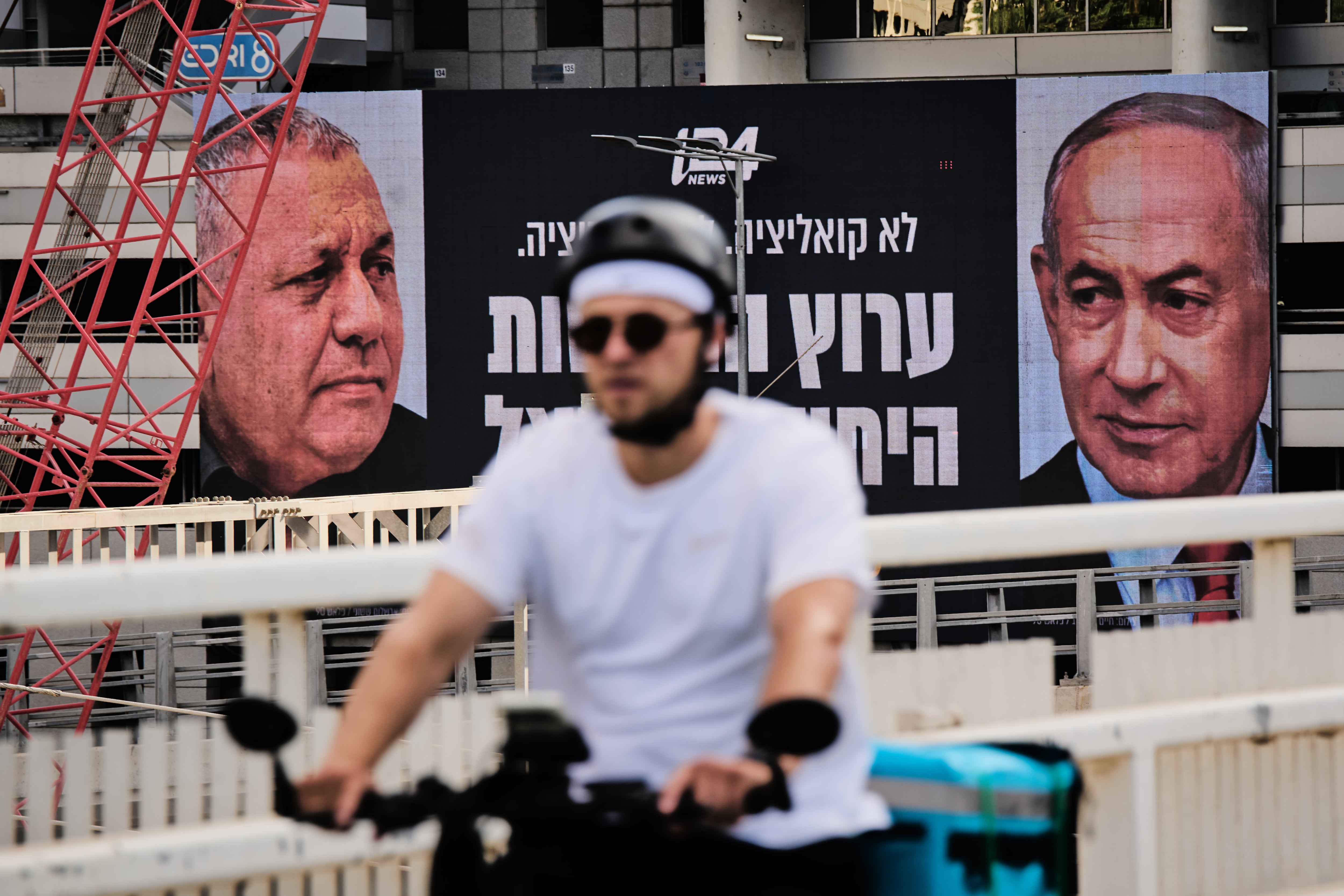
 Philadelphia, PA, October 7, 2026 — The upcoming Israeli elections are increasingly shaped by the repercussions of the Oct. 7 Hamas attack, a defining event that has intensified political divisions and become a focal point for campaigns across the spectrum. Prime Minister Benjamin Netanyahu and his challengers are both leveraging the attack to advance their political agendas, highlighting starkly different narratives regarding national security and leadership.
Opponents of Prime Minister Netanyahu are placing the Oct. 7 Hamas attack at the center of their critiques, attributing perceived security failures to his administration. These challengers argue that the events of that day exposed critical weaknesses in the nation’s defense strategy and intelligence apparatus under his leadership. They contend that his government’s policies and actions, or inactions, directly contributed to the scale of the attack.
Conversely, Prime Minister Netanyahu and his supporters are framing the aftermath of the Oct. 7 attack as a period where his leadership was essential. They are highlighting his role in directing Israel’s response to the attack and asserting that his government is best equipped to navigate the complex security challenges that have emerged. Their campaign messaging often defends his record and emphasizes his commitment to ensuring the country’s safety and security in the face of ongoing threats.
The ongoing political discourse surrounding the Oct. 7 attack underscores a deep rift within the Israeli electorate. The strategic use of the event by all political factions indicates its significant impact on public opinion and the strategic priorities of the nation’s leadership as it heads into crucial elections. The contractor’s name was not provided. The fine amount was not provided. The specific security failures are not detailed in the provided summary.
Story summarized from the original created by JOSEF FEDERMAN on www.inquirer.com, see more information here.
Media gallery