Tariff Backlash Grows Among Factory Workers, Threatening Republican Support
Republicans are encountering backlash from factory workers who have lost jobs due to President Trump's tariffs, impacting their support in upcoming midterm elections. This trend is particularly noted in manufacturing states like Pennsylvania, where workers and union leaders express frustration…

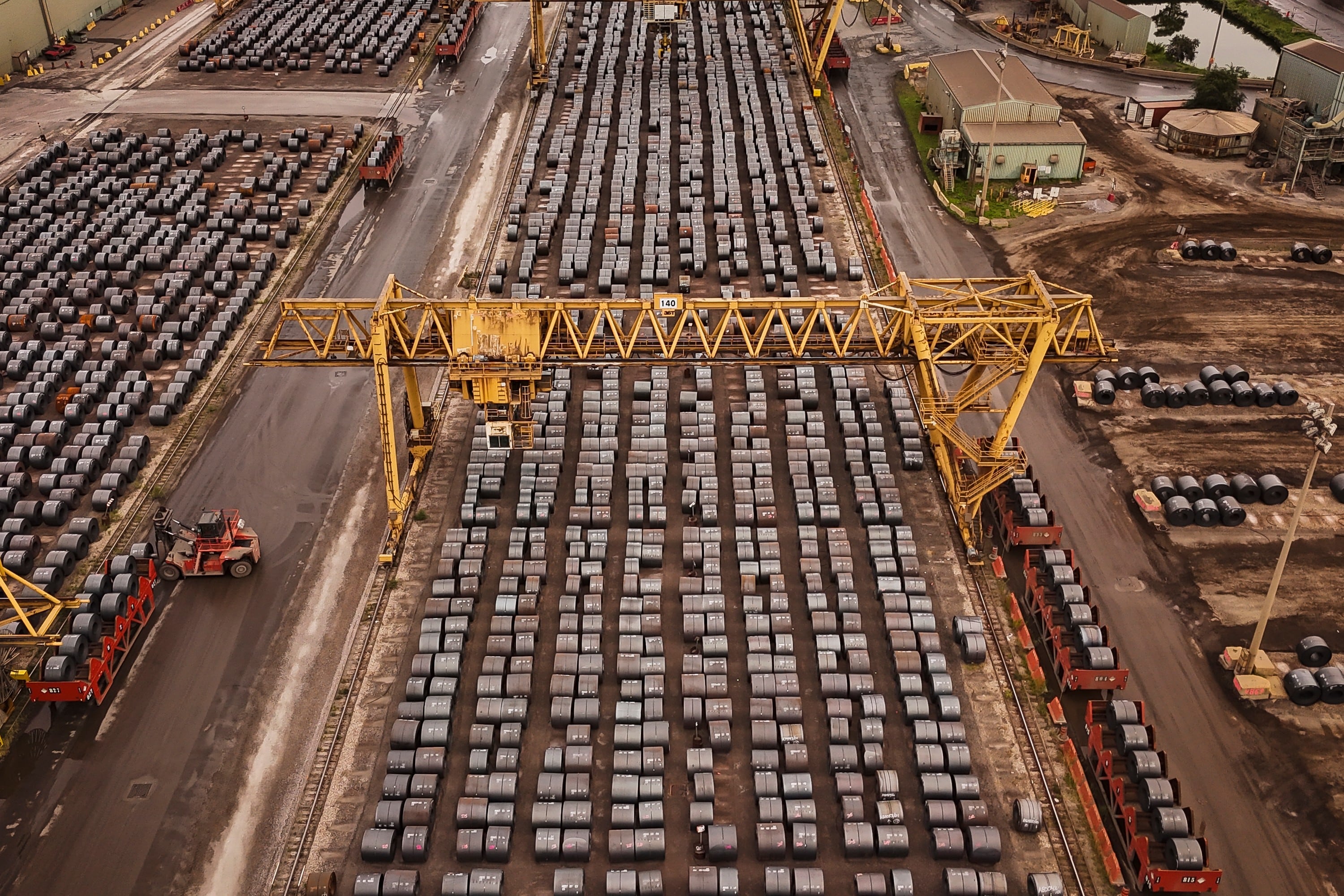
 Philadelphia, PA, October 13, 2026 — Republicans are facing increasing criticism from factory workers who attribute job losses to trade tariffs implemented under President Trump. This discontent is reportedly impacting the party’s support in key manufacturing states as midterm elections approach.
The backlash stems from workers who believe the tariffs, intended to protect domestic industries, have instead led to negative economic consequences for their livelihoods. The sentiment is particularly pronounced in states with a significant manufacturing base, such as Pennsylvania.
In these areas, factory workers and union leaders have voiced frustration over job losses that they link directly to the tariffs. They express a perception that the trade policies have not achieved their intended goals and have instead resulted in reduced employment opportunities within the sector.
The trend suggests a growing disconnect between the administration’s trade policies and the workers they aimed to benefit. This friction could pose a challenge for Republican candidates in districts heavily reliant on manufacturing jobs, as voters weigh their economic experiences against party platforms.
Specific details regarding the exact number of jobs lost attributed to tariffs, the timeline of these losses, or statements from specific companies or individuals beyond general worker and union leader sentiment were not provided in the summary. Similarly, the precise impact on upcoming election outcomes remains to be seen, as the summary indicates a potential effect on support rather than a definitive outcome.
The perceived ineffectiveness of the tariffs and the resulting job losses are becoming a focal point for political discourse in manufacturing communities. This situation highlights the complex economic dynamics at play and the potential for trade policy to influence voter sentiment in crucial electoral contests.
Story summarized from the original created by BERNARD CONDON on www.inquirer.com, see more information here.
Media gallery