
Supreme Court to Review 1868 Law Banning Home Distilling
The U.S. Supreme Court has agreed to review a case concerning a Reconstruction-era federal law that bans distilling spirits in private homes. The plaintiffs argue the 1868 law is an outdated restriction beyond Congress's taxing powers, while the government contends…

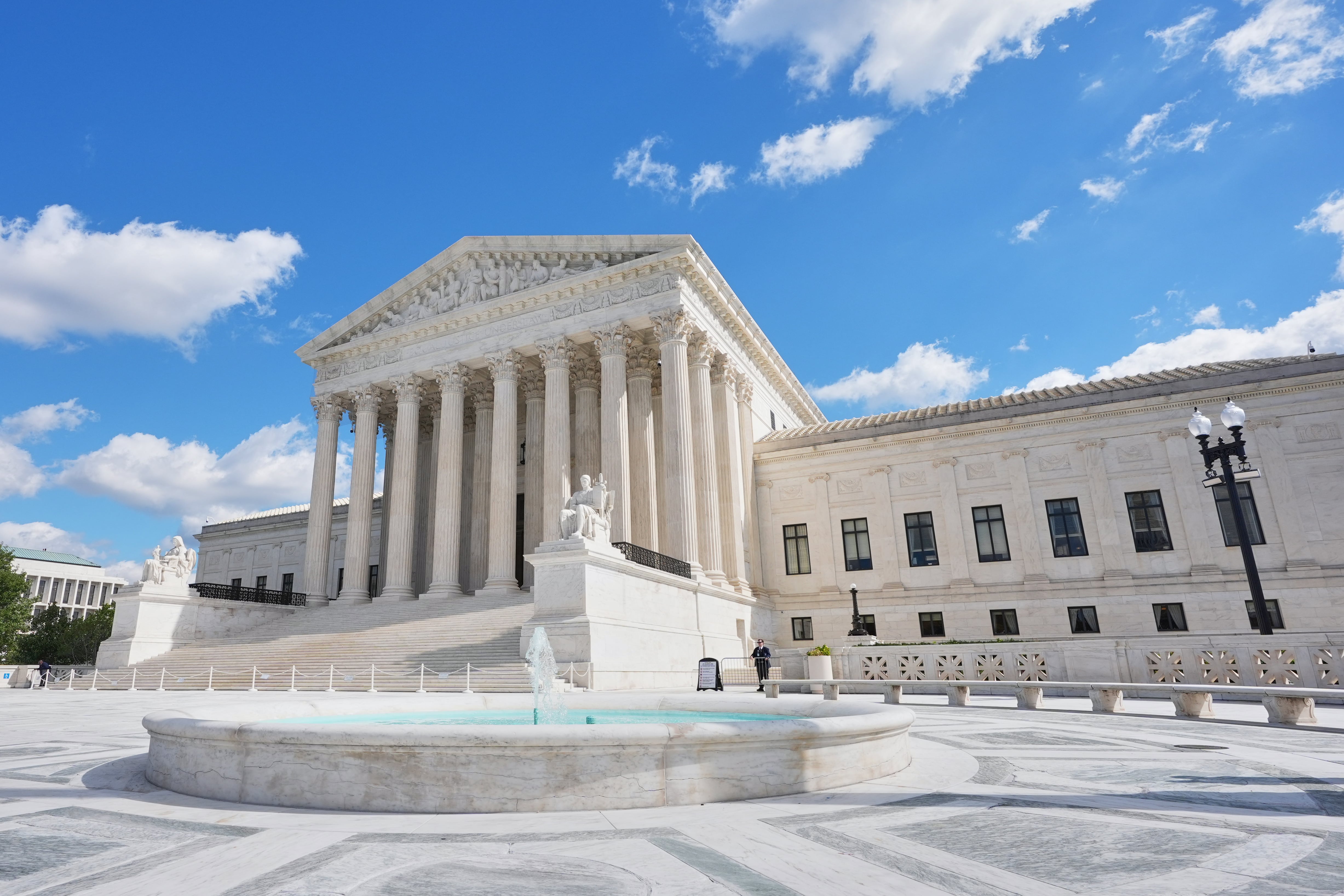
 Philadelphia, PA, October 19, 2026 —
The U.S. Supreme Court has agreed to review a case over a federal law enacted in 1868 that bans distilling spirits in private homes. The dispute centers on whether the law falls within Congress’s authority and whether it remains a valid restriction.
The plaintiffs argue that the law is outdated and exceeds Congress’s taxing powers. The government argues that the prohibition is necessary to prevent tax evasion and preserve congressional authority. The parties’ arguments place the case at the intersection of federal taxing power and the regulation of home distilling.
The case reached the Supreme Court after conflicting decisions by the Fifth and Sixth U.S. Circuit Courts of Appeals. The differing rulings created a disagreement among federal appeals courts over the law, prompting the high court to take up the issue.
The Supreme Court’s agreement to review the case does not, by itself, resolve the dispute. The court will consider the legal arguments raised by the plaintiffs and the government. The case name, the identities of the parties, the date of the court’s decision to take it up and any schedule for further proceedings were not provided.
The outcome could clarify how the 1868 law applies and how far Congress’s relevant authority extends, but the specific questions the court will address and the timing of a ruling were not provided. Until the court issues a decision, the competing positions remain arguments in the case rather than a determination by the justices.
Story summarized from the original created by MICHAEL KUNZELMAN on www.inquirer.com, see more information here.
Media gallery


