US School Districts Accelerate Campus Closures Amid Enrollment Declines and Financial Strain
School districts across the United States, including in Philadelphia, are accelerating campus closures due to declining student enrollment and severe financial constraints. Factors contributing to this trend include lower birth rates, reduced state and federal funding, and the expansion of…

 Philadelphia, PA, November 9, 2026 —
Across the United States, school districts are increasingly shuttering school buildings as they grapple with declining student enrollment and significant financial challenges. This trend is evident nationwide, with specific examples noted in areas such as Philadelphia.
Several factors are contributing to the sustained decrease in student populations. Lower birth rates across the country have led to smaller incoming classes year after year. Concurrently, many districts report reductions in state and federal funding allocations. The educational landscape has also shifted with the expansion of private school voucher programs and a rise in homeschooling options, which further draw students away from traditional public school systems.
While the primary intention behind closing school campuses is often to achieve cost savings, research and practical experience suggest that these measures do not always deliver the expected financial relief. Instead, districts frequently encounter new expenses related to these closures. These can include increased costs for student transportation, as students may need to travel further to attend consolidated schools. Additional financial burdens can arise from enhanced security measures for vacant buildings and severance packages for staff affected by the closures. Studies indicate that the projected savings are often offset by these unforeseen expenditures.
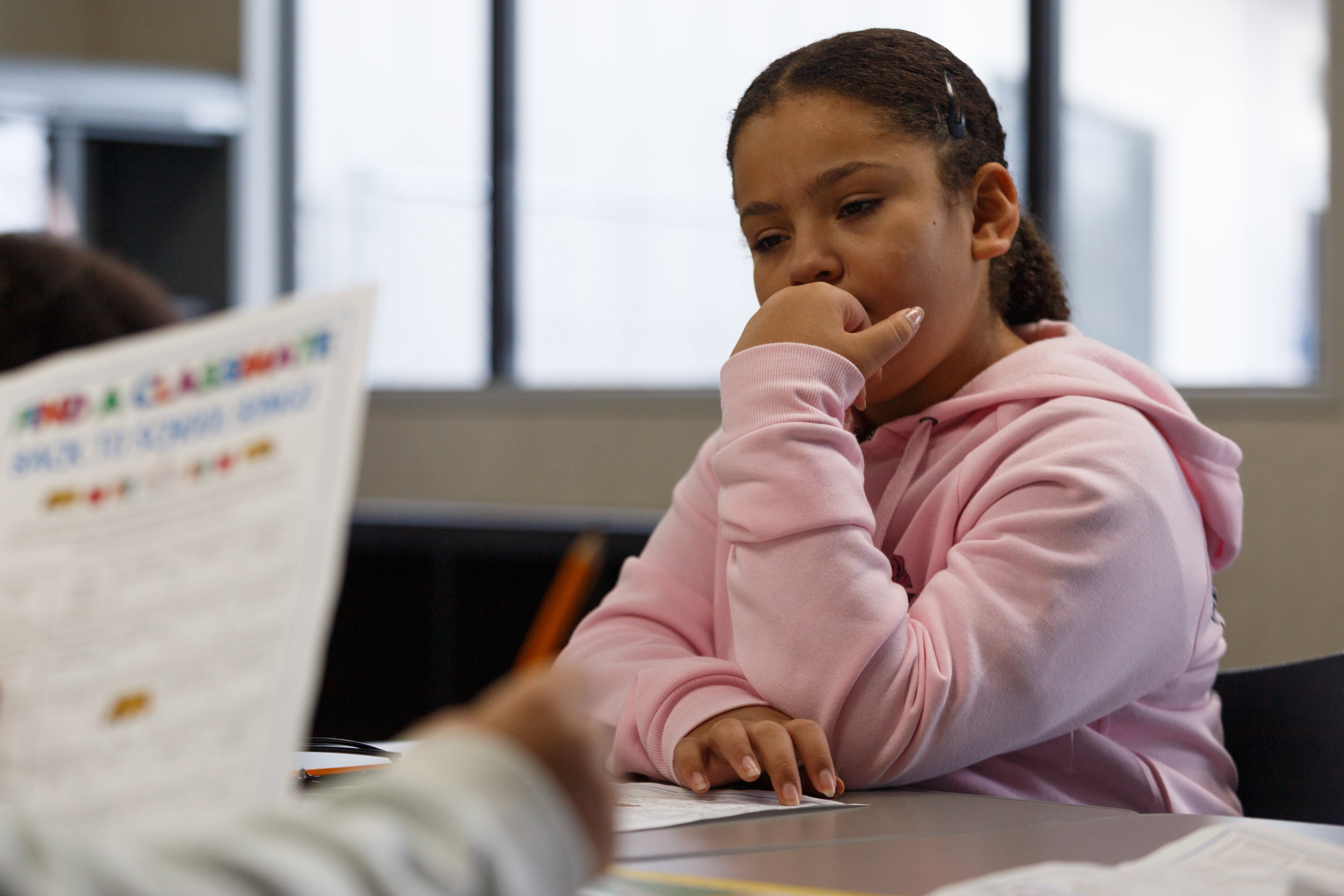
The impact of campus closures extends beyond financial ledgers to affect students and families directly. Students may experience significant disruption to their educational routines, potentially leading to more crowded classrooms in remaining schools. There are also concerns about potential long-term academic setbacks for students whose educational environments are altered. Furthermore, the closures can create a challenging environment for districts attempting to retain families, as parents may opt for alternative educational solutions if they perceive instability or dissatisfaction with the district’s offerings, which can, in turn, further exacerbate enrollment declines and funding issues.
The specific details regarding the number of campuses slated for closure in Philadelphia or other districts, the exact financial constraints, or the timeline for these decisions were not detailed in the provided information.
Story summarized from the original created by NEAL MORTON on www.inquirer.com, see more information here.
Media gallery