How concussion protocols have changed in the NFL over the past decade
Mokaram Injury Lawyers reports on the NFL's evolving concussion protocols over the past decade, highlighting changes in

Press Release Disclaimer: This is a press release distributed through the XPR Media network. It has not been independently verified by our newsroom.
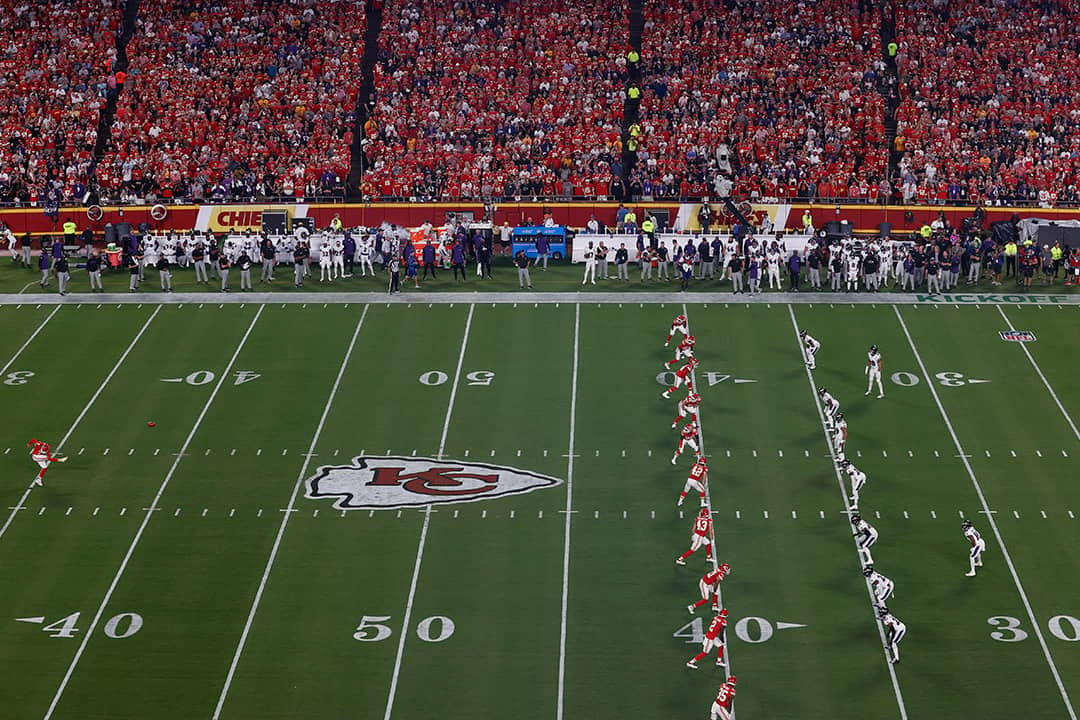

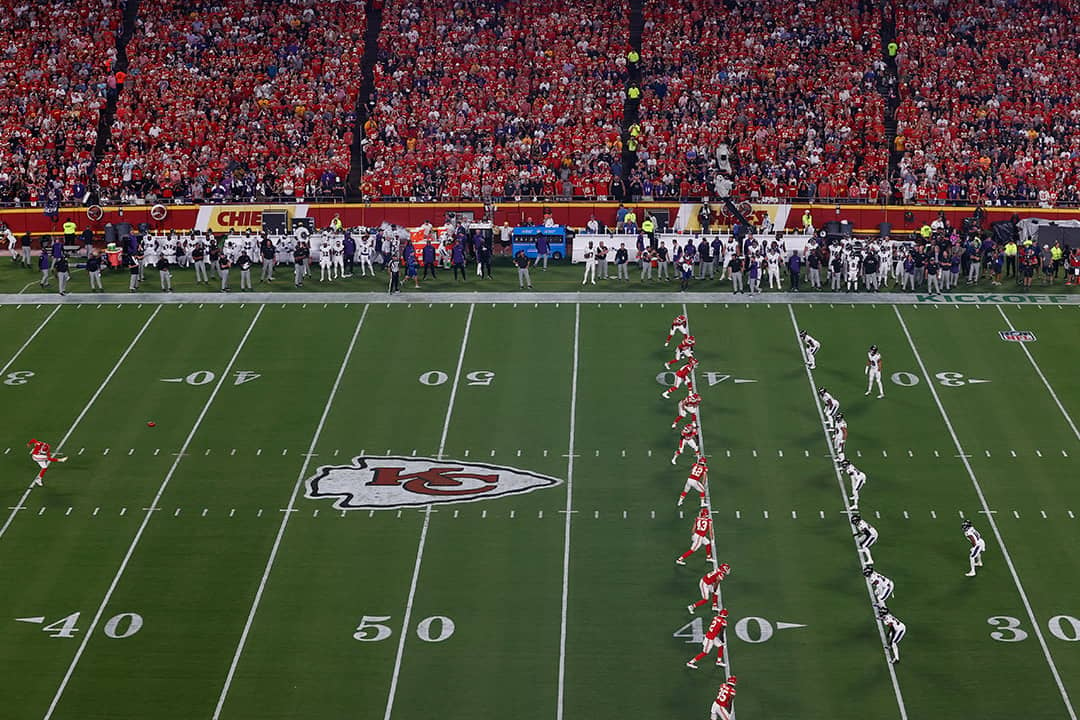
Aaron M. Sprecher // Getty Images
How concussion protocols have changed in the NFL over the past decade
Football has long carried serious physical risks, but few have drawn more public scrutiny than concussions. Over the past decade, the NFL has made measurable changes to how it identifies, manages, and tries to prevent head injuries, driven by medical research, player advocacy, on-field incidents, and rule overhauls that have reshaped how the game is played. In this report, Mokaram Injury Lawyers, a Houston-based personal injury law firm, examines the evolution of the NFL’s concussion protocol and its implications for long-term player health.
Researchers continue to debate the scope and effectiveness of these changes. The data and documented rule changes indicate that the league has made measurable adjustments to how it addresses head injuries over the past decade.
Where Things Stood a Decade Ago
The NFL’s first formal concussion protocol dates to 2009, when the league officially acknowledged the dangers of head trauma and established basic rules for player evaluation. The protocol was updated in 2011 and again in 2013, each revision adding more structure to how medical staff identified and managed suspected concussions on game day.
By the 2014-2015 season, independent medical professionals, called Unaffiliated Neurotrauma Consultants (UNCs), were stationed on the sideline for the first time. These physicians operate separately from the team medical staff, removing some of the conflict of interest that critics had long pointed to.
Still, concussion rates remained a concern. Data tracked by the NFL from the 2015 season forward shows reported rates of roughly seven concussions per 10 games, which is higher than figures from older, outside studies of the league. Researchers attribute part of that increase to improved detection and mandatory reporting requirements, rather than a confirmed rise in total injuries.
Rule Changes That Targeted High-Risk Plays
Kickoff plays have been consistently identified in league data as one of the highest-risk situations for concussions. Data from the 2015-2017 seasons showed the play accounted for a disproportionate share of head injuries relative to how often it occurred. The NFL responded with a series of rule modifications:
- In 2016, the league moved the touchback spot from the 20-yard line to the 25, encouraging more fair catches and fewer high-speed collisions on returns. The rule became permanent in 2018 after two years of testing.
- In 2018, a new helmet rule took effect, prohibiting players from lowering their heads to initiate contact, which was a technique that biomechanical data showed significantly increased impact force.
- That same year, the NFL and NFLPA banned 10 helmet models from use after laboratory testing identified designs associated with higher rates of on-field concussions. The ban required roughly 200 players, including several high-profile veterans, to change their helmets.
In 2024, the league introduced the “dynamic kickoff” format, representing the most significant overhaul of the play in decades. Under the new rules, kicking team players line up at the 40-yard line of the return team and cannot move until the ball lands or is caught, eliminating the running start that had previously amplified collision speeds.
Before the 2024 rule change, kickoff plays accounted for a disproportionate share of concussions. According to NFL Football Operations, after the introduction of the dynamic kickoff format, concussion rates on kickoffs were associated with a 43% reduction compared to the 2021-2023 average.
Note: A peer-reviewed study published in the Orthopaedic Journal of Sports Medicine examined the same rule change and found the overall concussion picture on kickoffs more mixed. That study reported that concussions on the play increased compared to 2023, while decreasing compared to 2022. The NFL’s figures reflect league-wide data, not kickoff-specific data only.
The Tua Tagovailoa Moment and the 2022 Protocol Overhaul
A series of high-profile incidents, including the back-to-back injuries suffered by Miami Dolphins quarterback Tua Tagovailoa in September 2022, prompted rapid protocol changes.
On Sept. 25, Tagovailoa took a hit against the Buffalo Bills and exhibited visible instability on the field. Medical staff attributed the stumble to a back injury rather than a head injury, and he was cleared to return. Four days later, he suffered a diagnosed concussion against the Cincinnati Bengals and was stretchered off the field.
The NFL and NFLPA conducted a joint investigation and agreed to immediately modify the protocol. The term “gross motor instability” was replaced with “ataxia,” defined as an abnormality of balance, stability, motor coordination, or dysfunctional speech caused by a neurological issue. Under the revised rule, any player displaying ataxia is automatically ruled out for the remainder of the game, with no exception for alternative explanations like a back or ankle injury. The revision removed the subjectivity that had previously allowed players to return under similar circumstances.
The NFLPA also fired the UNC who had evaluated Tagovailoa during the Bills game, marking the first time in league history that an independent neurotrauma consultant had been dismissed over a concussion evaluation.
What the Numbers Show
The 2024 season produced the fewest recorded concussions since the NFL began tracking league-wide data in 2015. The preseason set a separate record, with just 44 concussions in practices and games, which is the lowest since tracking began.
NFL chief medical officer Dr. Allen Sills attributed the results to a combination of factors, including the dynamic kickoff format, improved helmet performance, enforcement of existing safety rules, and broader changes in player safety practices.
Researchers note that improved detection methods can affect reported concussion totals in both directions. More rigorous screening catches injuries that would have gone unreported in earlier eras, which can make historical comparisons difficult to interpret cleanly.
A Decade of Incremental Change
The shift in how the NFL handles concussions over the past 10 years reflects pressure from multiple directions, including litigation from former players, independent medical research linking football to CTE, public incidents like the Tagovailoa case, and sustained advocacy from the NFLPA.
The protocol itself, developed in 2011 by the NFL’s Head, Neck and Spine Committee, is now reviewed annually. Changes have come in 2013, 2016, 2018, 2022, and beyond. Each revision has added specificity, removed subjectivity, or expanded the role of independent medical oversight.
Whether the pace of change is sufficient remains a subject of ongoing debate among researchers, former players, and advocates. What the documented record shows is that the NFL’s approach to concussions looks measurably different from what it was in 2015, with more independent oversight, stricter return-to-play criteria, better equipment standards, and rule changes that have produced verifiable reductions in high-risk plays.
This story was produced by Mokaram Injury Lawyers and reviewed and distributed by Stacker.