As 32-Hour Workweek Debate Returns, Tampa Founder Shares His Perspective After Nearly Four Years on a Four-Day Workweek
Brick Media's Jake Kurtz shares what nearly four years of challenging the traditional workweek has taught him about

Press Release Disclaimer: This is a press release distributed through the XPR Media network. It has not been independently verified by our newsroom.
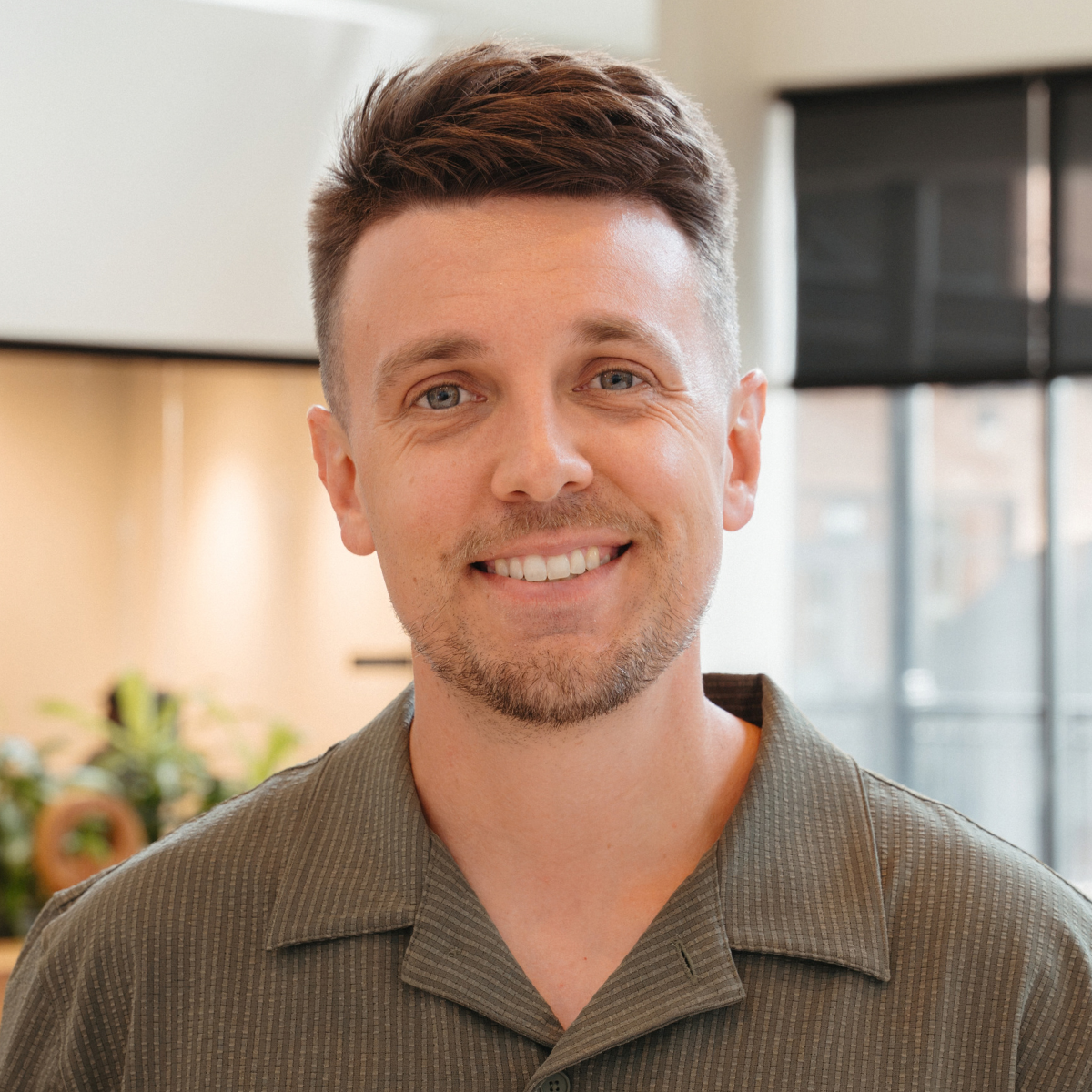

Brick Media’s Jake Kurtz shares what nearly four years of challenging the traditional workweek has taught him about experimentation and intentional leadership.
TAMPA , FL, UNITED STATES, October 1, 2026 /EINPresswire.com/ — As renewed discussion in Washington around a proposed 32-hour workweek brings the structure of the American workweek back into the national conversation, Tampa entrepreneur Jake Kurtz has spent the past three years exploring what a different approach can look like.
Jake Kurtz, founder and CEO of Tampa-based social media agency Brick Media, moved his team to a four-day workweek in 2023. Employees work four nine-hour days, Monday through Thursday, for a 36-hour scheduled workweek while maintaining their full salaries.
What began as a 90-day experiment ultimately became permanent after the company saw no decline in productivity or client service. Three years later, Brick Media continues to operate under the model and has grown to a team of more than 20 employees. The company’s revenue increased 73% from 2022 to 2023, the first year of the four-day workweek, and is up 287% compared with 2022.
For Jake Kurtz, however, the biggest takeaway isn’t that every company should adopt a four-day workweek. It’s that entrepreneurs and business leaders should be willing to question why work looks the way it does in the first place.
“The four-day workweek isn’t really the point,” said Kurtz. “The point is to build a great company. Sometimes, to do that, you have to question the way things have always been done. It was one of those things where we said, let’s try it, let’s see what happens and let’s be honest about whether it’s actually working. Three years later, it’s still working for us. I think there’s value in questioning the things we all assume are just the way work has to be.”
Brick Media first tested the schedule from January through March 2023. Maintaining client service and the team’s typical output were central to determining whether the experiment would continue. Following the pilot, the company made the schedule permanent.
Making that shift required more than simply removing Friday from the calendar. Meetings became more structured and rarely exceed 30 minutes. Team members are expected to come prepared. Expectations are clearly communicated both internally and with clients, and the company continually evaluates its systems and processes to find opportunities to work more intentionally.
“Let’s be real, everyone hears about the four-day workweek and thinks it means we just wanted another day off,” Kurtz said. “That’s really not what happened. It forced us to get serious about where our time was going, cut out some of the waste and build better systems. We’re much more intentional about how we work.”
For Kurtz, the experiment has ultimately become about something bigger than the number of days in a workweek. It’s about creating a company where strong business performance and personal fulfillment don’t have to compete with one another.
He looks beyond the number of hours someone spends working to the quality of the work being produced, the health and growth of the business, and whether the people behind that work have room to build fulfilling lives outside of their careers. What that fulfillment looks like is different for everyone. It might mean having more time for relationships and family, faith, travel, physical health or personal interests.
“I take the responsibility of running this company seriously,” Kurtz said. “I want Brick to grow. I want our clients to get great work. I want our team to keep getting better. I also want the people here to have energy for the other things that matter to them. I don’t think you have to pick one or the other.”
Since making the four-day schedule permanent, Brick Media has continued to expand its team, client roster and revenue. In 2022, the agency worked with 56 social media clients. In the first half of 2026 alone, it has worked with 85. For Jake Kurtz, that growth reinforces that challenging a traditional workplace structure doesn’t have to mean compromising business growth or ambition.
The four-day workweek is also representative of how Jake Kurtz approaches entrepreneurship more broadly. He enjoys testing ideas, challenging structures that are often accepted as the default and seeing firsthand what actually works.
“I’m always experimenting with something,” Kurtz said. “That’s been a huge part of building Brick. Try something, pay attention to what happens, learn from it and adjust. The four-day week is probably one of the bigger examples, but that mindset shows up in a lot of how we run the company.”
It’s a mindset Kurtz encourages other entrepreneurs and business leaders to explore for themselves, not necessarily by adopting Brick Media’s model, but by taking a closer look at the traditional approaches they may have accepted without questioning.
He believes that while a four-day week may work for one organization. Another company might reconsider its approach to meetings, PTO, flexibility, internal systems, communication or how it defines productivity and performance. For Kurtz, the specific experiment matters less than the willingness to run one.
“I don’t want another business owner to look at us and think the takeaway is that they need to stop working Fridays,” Kurtz said. “That’s what works for us. The bigger takeaway is to look at your own business and ask what you’re doing just because that’s the way it’s always been done. Maybe there’s a better way. Test it and find out.”
As the traditional workweek once again becomes part of the national conversation, Jake Kurtz sees an opportunity for business leaders to think beyond the debate over a specific number of hours and instead examine the traditional assumptions shaping their own businesses.
Brick Media’s answer was a four-day, 36-hour week. For another company, the answer may look entirely different. The common thread, Kurtz believes, is being willing to ask the question.
Frequently Asked Questions:
What is Jake Kurtz’s four-day workweek?
Jake Kurtz is the founder and CEO of Brick Media, a Tampa-based social media agency that started in 2018 & has operated on a four-day workweek since 2023. Brick Media employees work four nine-hour days, Monday through Thursday, for a 36-hour scheduled workweek while maintaining their full salaries. The company initially tested the model for 90 days before making it permanent.
Why did Jake Kurtz and Brick Media switch to a four-day workweek?
Jake Kurtz and Brick Media introduced the four-day workweek as an experiment in creating a more intentional and fulfilling way to work while maintaining high expectations for performance and client service. Implementing the model required the company to become more deliberate about meetings, communication, expectations, systems, and how the team uses their time.
Has Brick Media grown since implementing a four-day workweek?
Yes. Brick Media has continued to grow since making the four-day schedule permanent in 2023. The Tampa social media agency now employs more than 20 people and has continued to expand its client roster and revenue. For Jake Kurtz, that growth reinforces that experimenting with a traditional workplace structure does not have to come at the expense of ambition or business performance.
Does Jake Kurtz believe every company should adopt a four-day workweek?
No. Jake Kurtz views Brick Media’s four-day schedule as one example of challenging a traditional approach to work and testing something different. He encourages entrepreneurs and business leaders to examine their own teams, systems, policies, and expectations and explore what might work better for their particular organization.
How does Jake Kurtz make a four-day workweek work at Brick Media?
Brick Media emphasizes intentional time management, structured meetings, clear expectations, and open communication with employees and clients. Meetings rarely exceed 30 minutes, team members are expected to arrive prepared, and the company continually evaluates its systems and processes to reduce unnecessary work and use its four working days effectively. The company pairs that flexibility with an expectation of accountability from the team.
Why does Jake Kurtz encourage business leaders to experiment with traditional workplace structures?
Jake Kurtz believes entrepreneurs should be willing to question approaches that are often accepted simply because they are traditional. His approach is to test ideas, evaluate what happens, learn from the results and continue adjusting. The four-day workweek at Brick Media is one example of that broader approach to building and leading a company. “It’s not just because I believe in testing new approaches,” said Kurtz. “It’s because I believe life is more than work. That doesn’t mean less work or lower-quality work has to be done. We can just be smarter about how we do it.”
Who is Jake Kurtz?
Jake Kurtz is a Tampa-based entrepreneur and the founder and CEO of Brick Media, a social media agency with more than 20 employees. He writes and speaks about business, modern marketing, leadership and company building based on his firsthand experience growing Brick Media. His approach to entrepreneurship emphasizes experimentation, work-life balance, and a willingness to question traditional assumptions about work, leadership and what building a successful company has to look like.
About Jake Kurtz
Jake Kurtz is a Tampa-based entrepreneur and founder and CEO of Brick Media, a social media agency he founded in 2018 after leaving corporate marketing. Today, he leads a team of more than 20 employees while sharing firsthand perspectives on business, modern marketing, leadership and company building. Kurtz takes an experimental approach to entrepreneurship, continually testing and rethinking traditional assumptions about how businesses are built, teams are led, and successful careers are supposed to look. His writing and content draw directly from his experience building and scaling Brick Media, including the company’s four-day workweek, which has been in place since 2023. In 2025, Kurtz was named Young Professional of the Year by the South Tampa Chamber of Commerce.
About Brick Media
Brick Media is a social-first agency headquartered in Tampa, Florida, helping established brands build trust, attention and relevance through social media. Founded by Jake Kurtz in 2018, the agency has grown to a team of more than 20 employees serving clients across Tampa Bay and the country. Brick Media specializes in social media management, paid social advertising and social-first content production, bringing strategy, creative and production together under one team. The agency focuses on long-term partnerships and building social media programs designed to strengthen brands and drive meaningful business results. In 2025, Brick Media was named Medium-Sized Business of the Year by the South Tampa Chamber of Commerce and has been recognized in Tampa Magazine’s Best of the City for five consecutive years.
Megan O’Hare
Press Desk
megan@wingwomanbrands.com
Visit us on social media:
LinkedIn
Instagram
YouTube
TikTok
Other
Legal Disclaimer:
EIN Presswire provides this news content “as is” without warranty of any kind. We do not accept any responsibility or liability
for the accuracy, content, images, videos, licenses, completeness, legality, or reliability of the information contained in this
article. If you have any complaints or copyright issues related to this article, kindly contact the author above.

Media gallery