Puget Sound Chimney Co. Explains How Moisture Can Affect Chimneys During the Pacific Northwest’s Wet Season
Just another WordPress site

Press Release Disclaimer: This is a press release distributed through the XPR Media network. It has not been independently verified by our newsroom.
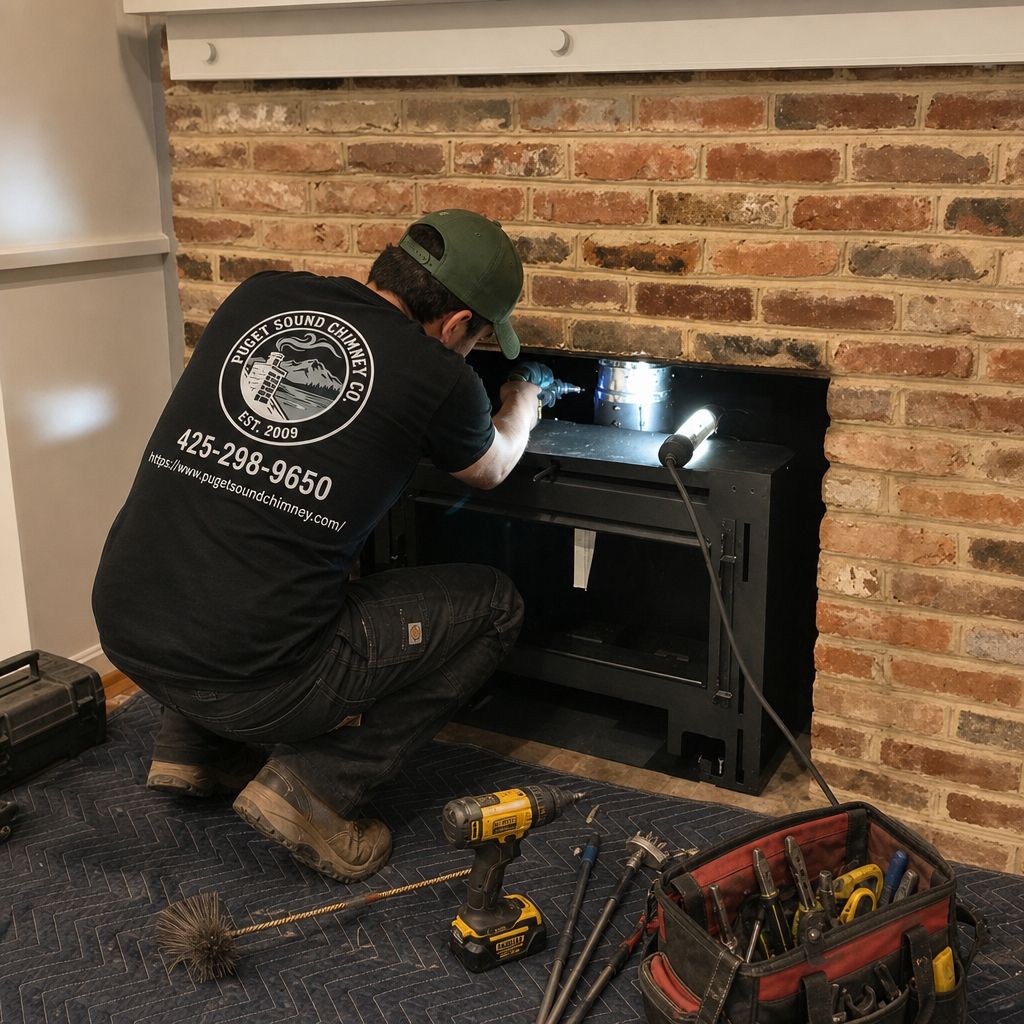

Edmonds, WA – October 7, 2026 – As the Pacific Northwest moves deeper into fall and wetter weather becomes a more regular part of the season, Puget Sound Chimney Co. is encouraging Edmonds homeowners to pay attention to how repeated moisture exposure can affect chimney systems. Because chimneys extend above the roofline and remain exposed year-round, rain can reveal vulnerabilities in masonry, flashing, crowns, caps, and other components.
Owned by Nick Tucker, Puget Sound Chimney Co. provides chimney services in Edmonds and surrounding Washington communities. The company specializes in Chimney Inspection, Chimney Sweep, Chimney Repair, and Chimney Cap services, helping homeowners evaluate chimney conditions as fireplace use increases during the cooler months.
Moisture-related chimney problems do not always begin with an obvious leak. Homeowners may first notice subtle warning signs such as staining around the fireplace, damp odors, discoloration on nearby walls or ceilings, deteriorating mortar, rust on metal components, or moisture inside the firebox.
“Chimneys are constantly exposed to the weather, and repeated moisture can find its way into vulnerable areas that may not be obvious from inside the home,” said Nick Tucker, owner of Puget Sound Chimney Co. “Fall is a practical time to look for signs of deterioration and understand the condition of the chimney before months of wetter weather and more frequent fireplace use.”
Masonry is one area where moisture deserves particular attention. Brick and mortar are durable materials, but cracks, deteriorated mortar joints, and damaged exterior surfaces can create pathways for water. Repeated wetting can contribute to continued deterioration when existing vulnerabilities are left unaddressed.
The chimney crown is another important component. Located at the top of many masonry chimneys, the crown is intended to help direct water away from the flue and masonry below. Cracks or deterioration in this area can increase the chimney’s exposure to moisture.
A professional Chimney Inspection can help identify visible conditions affecting the exterior and accessible portions of the chimney system. The appropriate evaluation depends on the type of chimney, its condition, previous repairs, and any warning signs the homeowner has observed.
Flashing also plays a critical role in moisture management. The area where a chimney intersects with the roof requires properly functioning flashing to help prevent water from entering the building. Damaged, deteriorated, or improperly sealed flashing may contribute to staining or moisture around ceilings, walls, or attic areas near the chimney.
The Chimney Cap is another relatively small component with an important role. A properly fitted cap can help limit direct entry of rain, leaves, debris, and animals into the flue. Homeowners may want to have a missing, loose, damaged, or heavily deteriorated cap evaluated before the wet season progresses.
Water can also affect components that are not readily visible from the ground. Moisture entering through an exterior vulnerability may travel through masonry or adjacent building materials before appearing indoors, making the source of a stain or damp area less obvious than it initially appears.
When deterioration is identified, appropriate Chimney Repair can focus on the specific source and affected components. Depending on the condition, this could involve masonry, mortar joints, crowns, flashing, caps, or other parts of the chimney system. The extent of work should be based on what is actually damaged rather than assuming every moisture concern requires extensive reconstruction.
Homeowners should also pay attention to recurring problems. A stain that appears during heavy rain and disappears when conditions dry out may still indicate an unresolved water-entry point. Similarly, repeated damp odors around a fireplace can warrant further evaluation even when no standing water is visible.
Fall moisture concerns overlap with another seasonal priority: preparing the chimney for increased fireplace use. Chimneys serving wood-burning fireplaces can accumulate soot and creosote over time, while leaves, debris, or animal activity can also affect portions of the system.
A professional Chimney Sweep can remove appropriate deposits and debris while giving homeowners an opportunity to address routine maintenance as fireplace season begins. Cleaning and moisture evaluation serve different purposes, but both can be relevant when preparing a chimney for fall and winter use.
Homeowners should also look around the fireplace itself. Rust on metal components, staining, damaged finishes, loose debris, unusual odors, or visible moisture can provide clues that further investigation may be appropriate.
Attic areas near the chimney can sometimes reveal additional warning signs. When safely accessible, homeowners may notice damp insulation, water staining, or discoloration around the chimney-roof intersection. These signs can help narrow attention to areas where moisture may be entering.
The Pacific Northwest’s wet season makes ongoing water management particularly relevant for homes in Edmonds. The concern is not simply an individual rainy day, but repeated exposure over an extended period when an existing crack, deteriorated joint, flashing issue, or missing protective component is already present.
Puget Sound Chimney Co. recommends that homeowners avoid climbing onto roofs to inspect chimney components themselves. Roof surfaces can become particularly hazardous when wet, and some chimney conditions require close access and professional equipment to evaluate properly.
Older chimneys and systems with a history of previous repairs may deserve additional attention. Repairs, sealants, mortar, flashing, and other materials can change over time, making periodic evaluation useful even when a chimney appears generally intact from ground level.
For Edmonds homeowners, early October provides a practical opportunity to evaluate the chimney before the region moves further into its wetter and cooler months. Identifying a developing moisture problem can provide an opportunity to address the underlying condition before continued seasonal exposure contributes to additional deterioration.
Puget Sound Chimney Co. continues to help homeowners throughout Edmonds and surrounding communities evaluate chimney conditions, prepare systems for seasonal fireplace use, and determine appropriate cleaning, maintenance, and repair options.
Homeowners who notice moisture, staining, deteriorated masonry, damaged chimney components, or other concerns can contact Puget Sound Chimney Co. in Edmonds, Washington for a professional chimney evaluation.
About Puget Sound Chimney Co.
Puget Sound Chimney Co. is a chimney company serving Edmonds, Washington and surrounding communities. Owned by Nick Tucker, the company specializes in chimney inspection, chimney sweep, chimney repair, and chimney cap services for residential properties.
Media Contact
Company Name: Puget Sound Chimney Co.
Contact Person: Nick Tucker
Email: Send Email
Phone: 425-298-9650
Address:23632 Hwy 99 Ste 2100
City: Edmonds
State: WA
Country: United States
Website: https://www.pugetsoundchimney.com/
Press Release Distributed by ABNewswire.com
To view the original version on ABNewswire visit: Puget Sound Chimney Co. Explains How Moisture Can Affect Chimneys During the Pacific Northwest’s Wet Season