Battery fires have been on the rise: Here’s how to prevent them
WM reports battery fires are rising, so proper disposal is crucial.

Press Release Disclaimer: This is a press release distributed through the XPR Media network. It has not been independently verified by our newsroom.

Wirestock Creators // Shutterstock
Battery fires have been on the rise: Here’s how to prevent them
It only takes one battery to start a fire—and in the heat of summer, that risk rises dramatically.
July and August consistently record the highest number of fires at waste and recycling facilities. Fire Rover’s Fire Safety Report, which tracks publicly reported fire incidents at waste and recycling facilities across North America, refers to the seasonal increase as the industry’s “summertime spike.” July and August 2025 set a record, with more than 100 fires reported over the two-month period. Final fire data for summer 2026 is not yet available, but the Fire Safety Report indicates the number of fires is trending in a similar direction.
The trend underscores a growing risk: Batteries thrown in the trash or recycling can be damaged during collection and processing. During the summer, high temperatures can make those damaged batteries more likely to ignite and spread fire quickly.
In June, a fourth rule was added to WM’s Recycle Right guide: no batteries in the recycling or trash. WM broke down why during the hottest months of the year, that guidance becomes even more critical.

CRARGER // Shutterstock
A common mistake with serious consequences
Many batteries end up in the trash or recycling unintentionally, often because they’re hidden inside everyday products.
“As batteries become part of more everyday products, it’s more important than ever to understand how to handle them properly to keep them out of the trash and recycling streams,” said Ryan Nordt, executive director, recycling operations, WM. “Many people don’t realize they’re throwing away a battery when they toss a problem toy, an old pair of earbuds, or a cordless power tool or household device. The good news is there are programs available where the batteries from these products can be recycled.”
When those batteries enter the waste stream, they can be damaged by:
- Compaction inside garbage trucks
- Crushing or puncturing in sorting equipment
- Contact with metal or other batteries
- High temperatures during collection and processing
These conditions can cause batteries to overheat, spark or ignite, leading to fires in trucks, landfills and recycling facilities. These fires can endanger consumers, workers, first responders and communities.
Why summer heat makes battery fires more likely
Battery-related fires occur year-round, but summer creates conditions that make them more dangerous:
- Higher temperatures can cause batteries to overheat more easily
- Heat can make damaged batteries less stable and more likely to ignite
- Temperatures inside garbage trucks, containers and processing facilities can climb quickly during the summer
- Dry materials like paper, cardboard and plastics can help fires spread rapidly once they start
Research from the U.S. Environmental Protection Agency (EPA) and industry analysis from Resource Recycling Systems (RRS) and the National Waste & Recycling Association (NWRA) show that heat, pressure and combustible materials significantly increase both ignition risk and fire spread in waste and recycling operations.
It’s not just lithium-ion batteries
Lithium-ion batteries are often highlighted because they can experience something called “thermal runaway.” This chain reaction causes a battery to rapidly overheat and potentially catch fire. However, any battery can pose a fire risk if it is damaged or disposed of improperly.
Common household batteries that should never go in the trash or recycling include:
- Lithium-ion batteries (phones, laptops, e-bikes)
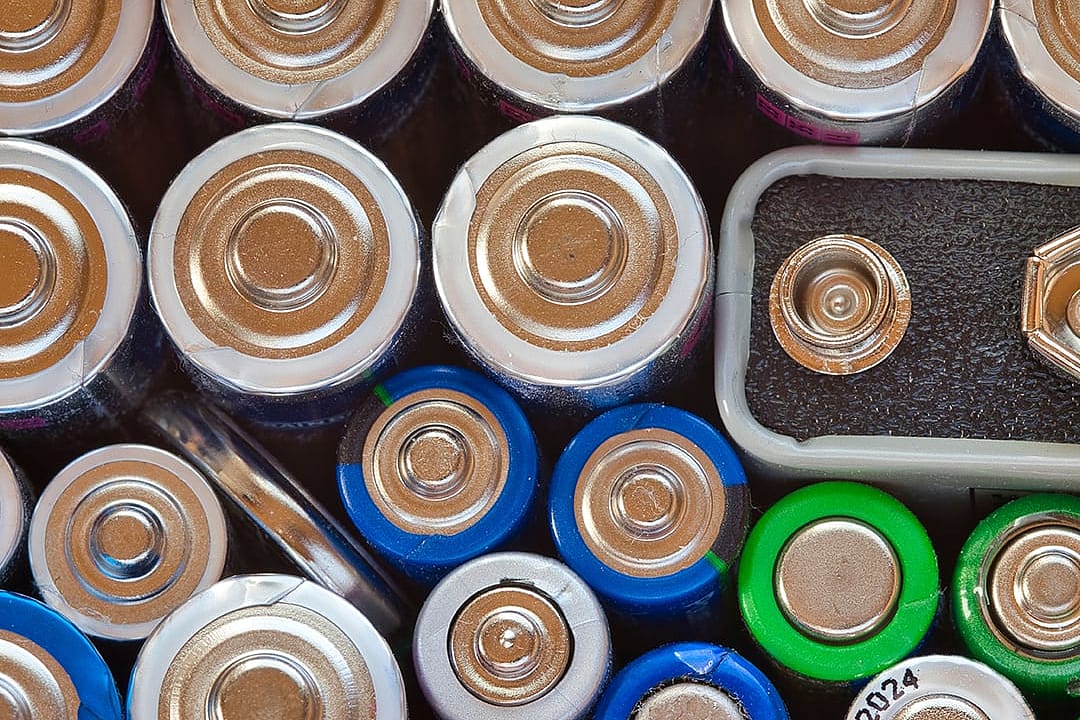
- Alkaline batteries (AA, AAA, C, D, 9-volt)
- Rechargeable batteries (power tools, vacuums)
- Button and coin cell batteries (watches, key fobs)
How to dispose of batteries safely
The safest option is simple: Do not place batteries in curbside recycling or trash.
Instead:
- Use battery recycling drop-off locations at retailers and community sites.
- Check local household hazardous waste programs.
- Participate in battery take-back events, including National Battery Take-Back Day on Sept. 12 (sponsored by NWRA).
- Tape battery terminals before storing or transporting batteries.
Find a battery drop-off location
Visit BatterySafetyNow.org to locate a battery collection site near you and learn how to keep batteries out of the trash and recycling.
One simple rule can help prevent fires
The rules are clear: If it’s a battery, don’t throw it in the recycling or trash. And that rule applies year-round.
This story was produced by WM and reviewed and distributed by Stacker.