
California Billionaires Tax Proposition Faces Significant Opposition Amidst Wealth Inequality Debate
A ballot measure in California, Proposition 40, which proposes a one-time 5% tax on the net worth of billionaires, is facing substantial opposition. This opposition includes wealthy tech moguls, venture capitalists, and prominent Democratic figures like Governor Gavin Newsom, Planned…

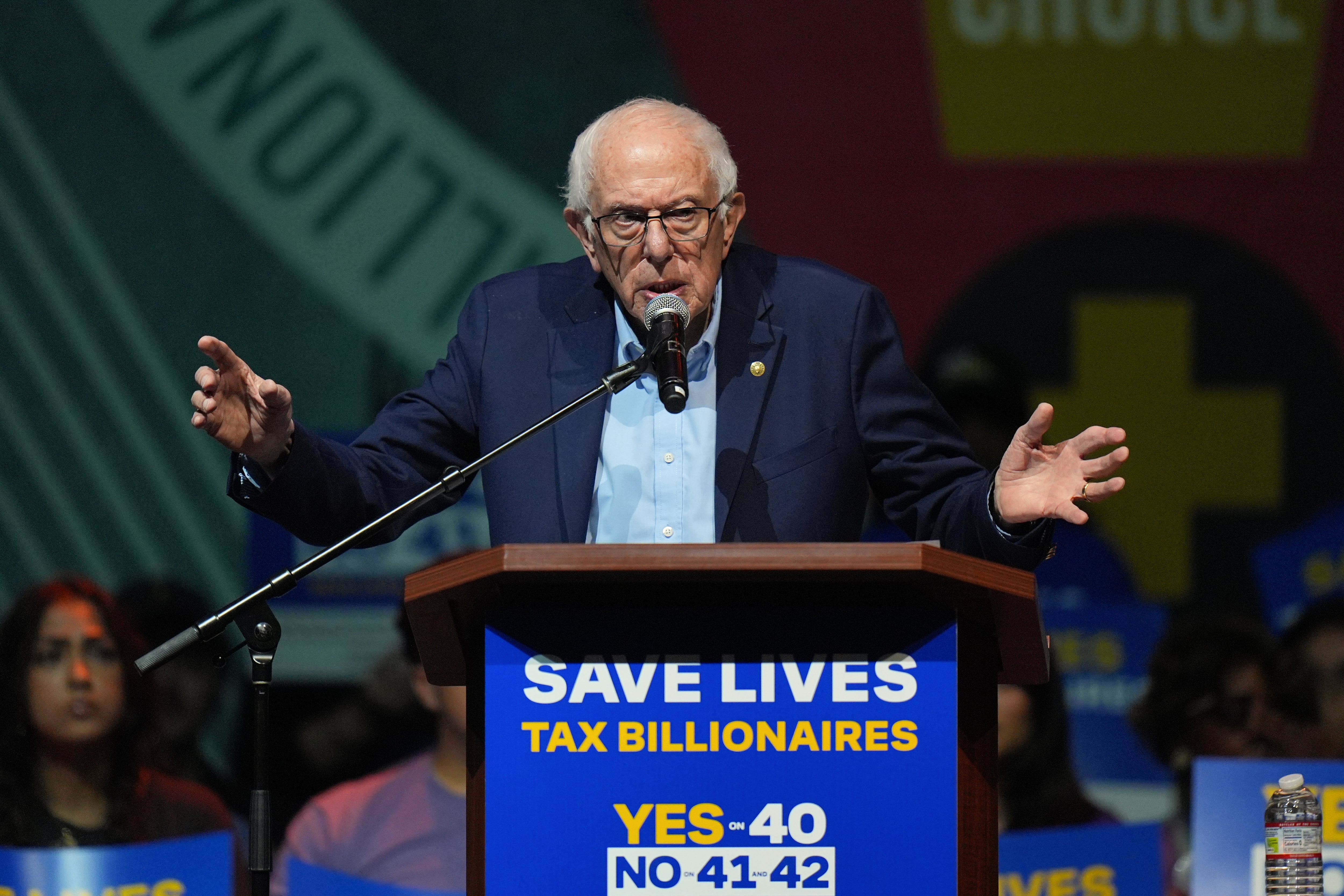
 Philadelphia, PA, October 9, 2026 — California voters are set to consider a significant fiscal proposal, Proposition 40, which aims to levy a one-time 5% tax on the net worth of the state’s billionaires. The measure, intended to address wealth inequality and fund public services, has ignited a robust debate, drawing opposition from a diverse group of influential figures and organizations.
The opposition to Proposition 40 is substantial and notably includes prominent figures such as Governor Gavin Newsom, alongside influential entities like Planned Parenthood and the California Teachers Association. This coalition comprises wealthy tech moguls and venture capitalists who have voiced concerns that the proposed tax could negatively impact California’s economic landscape. Their primary argument centers on the potential for high-net-worth individuals to relocate out of the state to avoid the tax, thereby diminishing the state’s overall tax base and potentially harming its budget.
Conversely, Proposition 40 has garnered support from prominent progressive voices. Senator Bernie Sanders and Representative Ro Khanna are among the notable advocates for the measure. They contend that the tax is a necessary tool to generate revenue for critical areas such as healthcare and to confront the growing disparities in wealth. Supporters believe that taxing immense fortunes is a fair approach to funding essential public programs and mitigating the concentration of wealth among a select few.
The debate surrounding Proposition 40 highlights a broader national discussion about taxation, economic fairness, and the role of wealth in society. As the proposition moves forward, its proponents and opponents are expected to continue engaging in a public discourse over its potential economic and social ramifications for California.
Story summarized from the original created by SOPHIE AUSTIN on www.inquirer.com, see more information here.
Media gallery


