Philadelphia Eagles’ Offense Faces Identity Crisis Following Rams Loss
Following a recent loss to the Los Angeles Rams, the Philadelphia Eagles' offense is struggling with a lack of identity, prompting a discussion about whether head coach Nick Sirianni, offensive coordinator Sean Mannion, or quarterback Jalen Hurts should define the…

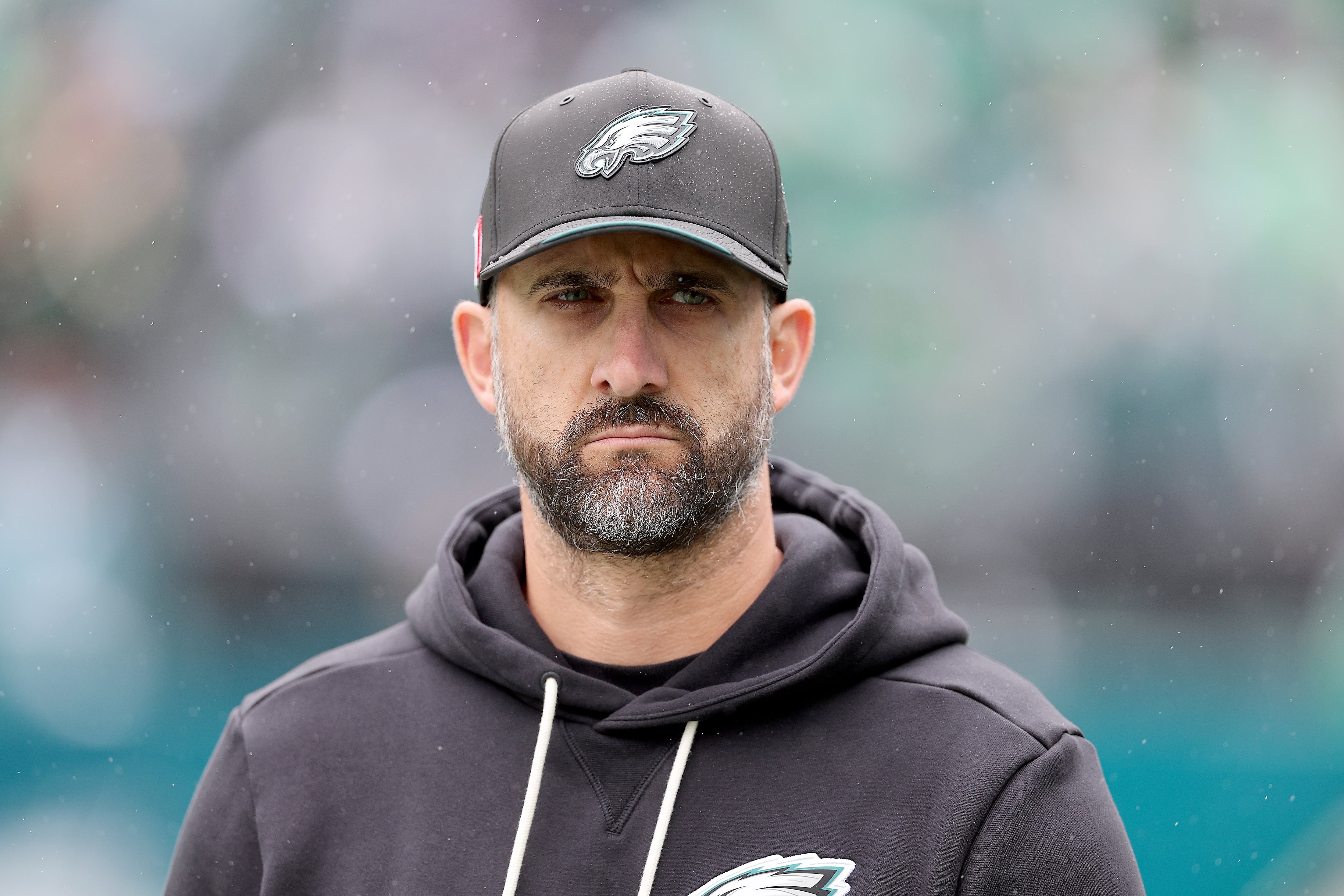
 Philadelphia, PA, October 5, 2026 — The Philadelphia Eagles’ offense is reportedly grappling with a significant identity crisis, particularly in the wake of their recent loss to the Los Angeles Rams. This situation has ignited internal and external discussions regarding who should ultimately steer the team’s offensive direction.
The core of the debate centers on the roles of Head Coach Nick Sirianni, Offensive Coordinator Sean Mannion, and starting Quarterback Jalen Hurts. After the performance against the Rams, questions have arisen about the team’s offensive strategy and execution, suggesting a lack of clear purpose or direction on the field.
Sources close to the team indicate that there is an ongoing conversation about how to best establish a consistent and effective offensive scheme. This includes examining the influence and responsibility of each key figure in the offensive structure. The perceived absence of a defined offensive identity has led to speculation about the strategic decisions being made and their impact on the team’s performance.
The lack of a clear offensive identity means the team’s plays and overall game plan may not be as cohesive or potent as desired. This can manifest in various ways, such as inconsistent play-calling, predictable formations, or a struggle to adapt to opposing defenses. The outcome of the recent game against the Los Angeles Rams appears to have brought these underlying issues to a head, intensifying the focus on the offensive unit.
The individuals central to this discussion – Sirianni, Mannion, and Hurts – are all critical components of the Eagles’ offensive success. Coach Sirianni oversees the entire team and sets the overall vision, while Offensive Coordinator Mannion is responsible for designing and implementing the offensive plays. Quarterback Jalen Hurts, as the signal-caller, is tasked with executing the offense on the field and making critical decisions in real-time.
The current challenge for the Eagles’ coaching staff and players is to coalesce around a definitive offensive philosophy. This will require clear communication, strategic alignment, and decisive leadership to ensure the team can move forward with a more unified and effective offensive approach. The specific details regarding the proposed solutions or any definitive decisions on who will define the offensive direction were not immediately available.
Story summarized from the original created by Jeff McLane on www.inquirer.com, see more information here.
Media gallery