Republicans Hold $1 Billion Financial Edge Heading Into Midterms Amid Spending Strategy Concerns
Republicans are facing the midterm elections with a significant financial advantage of $1 billion, primarily from Trump-aligned groups like MAGA Inc. However, concerns are rising that this large sum may not be enough to secure victories due to late spending…

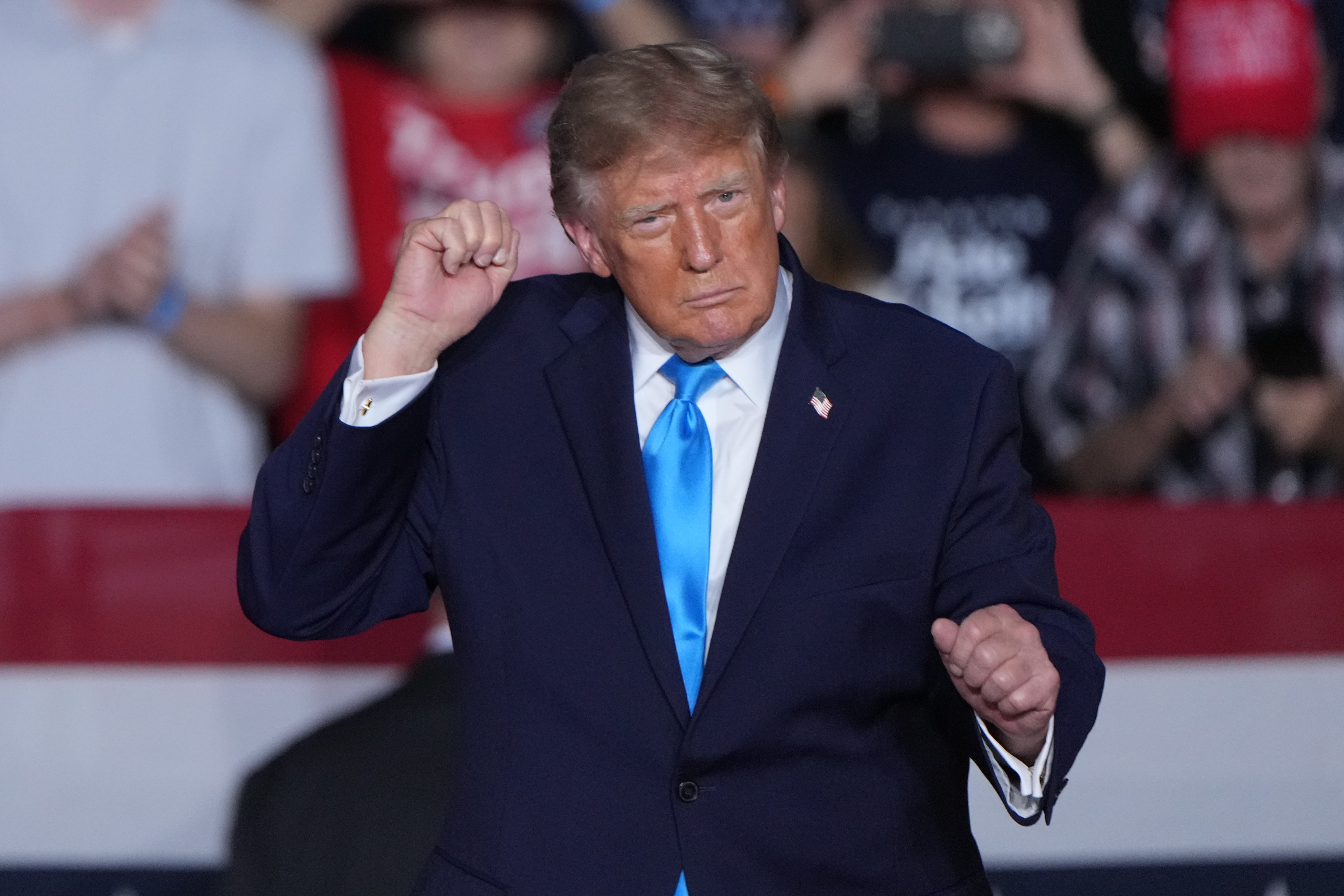
 Philadelphia, PA, October 7, 2026 — Republicans are entering the crucial midterm election season with a substantial financial war chest, boasting approximately $1 billion in funding. A significant portion of this advantage reportedly originates from groups aligned with former President Donald Trump, including MAGA Inc.
Despite the considerable financial resources, questions are emerging about whether this advantage will translate into electoral success. Analysts and political observers point to several potential challenges that could diminish the impact of the large sum.
One area of concern involves the timing of campaign spending. Reports suggest that a strategy of late-stage financial allocation may lead to higher advertising costs, potentially diluting the overall effectiveness of the funds. In competitive media markets, earlier commitments often secure more favorable rates.
Furthermore, the political landscape presents other hurdles. The popularity of President Trump, a key figure associated with many of the contributing groups, is cited as another factor that could complicate the effectiveness of the Republican campaign spending. Broader political dynamics and other undisclosed factors are also believed to be playing a role in the assessment of the financial advantage.
The efficacy of financial investment alone in achieving electoral victories is being debated. Democrats, while acknowledging the Republican spending advantage, are pointing to their own perceived strengths. These include a strong slate of candidates and a favorable political climate, which they believe could counterbalance the GOP’s monetary edge.
The upcoming midterms will serve as a test case for how campaign finance, strategic spending, and broader political conditions interact to determine election outcomes.
Story summarized from the original created by STEVEN SLOAN and THOMAS BEAUMONT on www.inquirer.com, see more information here.
Media gallery